
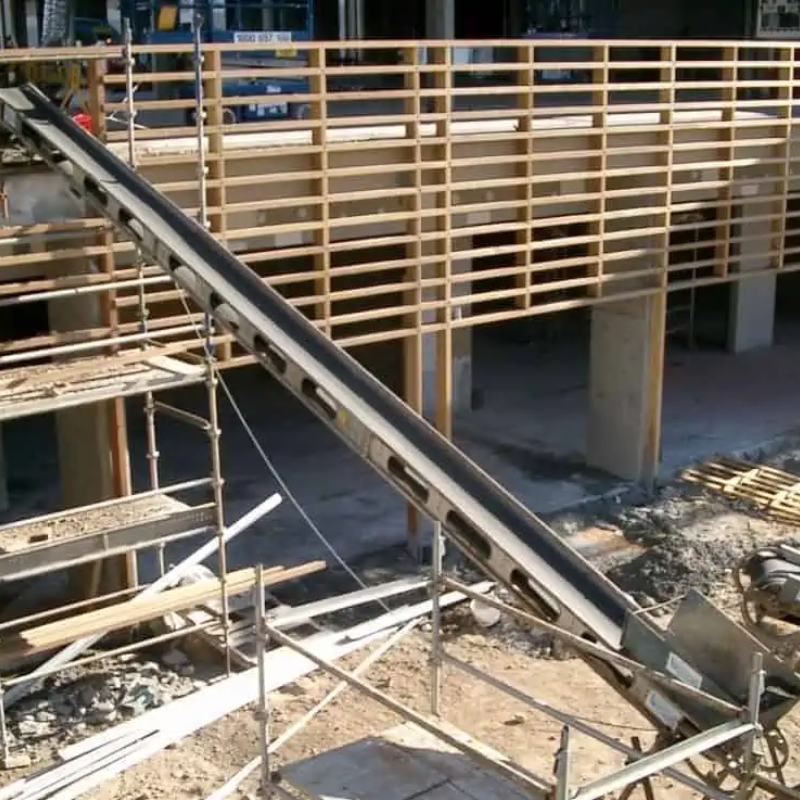
An Australian construction site can go from humming along to grindingly slow in a matter of days. Most of the time, the culprit is not a grand design flaw, but small inefficiencies that build up until materials, waste and people start queuing instead of moving. Spotting those warning signs early lets you fix the flow before the schedule – and safety record – takes a hit. In many cases, a quick portable conveyor hire setup is the simplest way to clear the backlog without adding more labour or machinery. Below are five red flags project managers should never ignore, plus practical ways to decide whether a conveyor is the right solution.
1. Why Overlooking Early Material-Flow Issues Costs Aussie Sites
Every site manager knows labour is one of the biggest line items on any budget. Yet Safe Work Australia estimates that manual handling injuries alone cost the industry millions each year in lost time, medical expenses and compensation claims. Crew members forced to lug materials or wait for access points are not only unproductive; they are also at higher risk of strains, slips and falls.
Common knock-on effects include:
- Delayed subcontractor start times as previous trades run over schedule
- Over time, blowouts to “catch up” once delays become visible on the Gantt chart
- Safety near misses when workers rush or lift awkward loads to make up time
- Increased plant hire costs because other equipment sits idle while pathways are blocked
These costs rarely show up as one big invoice. They drip into the ledger through extra hours, hire extensions and lost momentum. Installing a conveyor early can maintain steady material flow, keep the critical path intact and prevent minor slow-downs from snowballing into full-blown delays.
2. Early Sign #1: Material Piles Blocking Footpaths and Access Ways
Nothing signals an impending bottleneck like timber packs, brick stacks or demolition rubble spilling into walkways. Crew members start stepping over or around piles, fire routes narrow, and site tidiness goes out the window.
Why it happens
- Deliveries arrive faster than labour can shift them upstairs or across the slab
- Skip bins are placed too far from the workface for efficient trips
- Tight urban blocks leave little laydown room, so stockpiles creep into traffic areas
Risks and hidden costs
- Increased trip and crush injuries
- Longer travel distance per load
- Time lost reorganising stockpiles instead of progressing the build
How a conveyor helps
A slimline belt can snake through scaffolding bays or along a corridor, carrying loose or bagged materials directly to the point of use. Continuous flow replaces stop-start trolley runs, freeing labour for skilled tasks instead of haulage.
3. Early Sign #2: Too Many Hands Touching the Same Load
When a single bag of cement changes hands four or five times before it reaches the mixer, efficiency has already broken down. Multi-handling eats into productivity and multiplies the chance of dropped loads or strained backs.
What to look for
- Labourers forming “bucket brigades” on stairs or ladders
- Pallets broken down at ground level because forklifts cannot reach upper floors
- Trades waiting for an extra set of arms before they can start work
Why it matters
Manual transfers compound fatigue, slow the job and raise the odds of soft-tissue injuries. Each unnecessary lift also increases insurance exposure under WHS regulations.
Conveyor fix
A modular conveyor positioned from ground to scaffold level removes most, if not all, of the manual passes. One operator loads at the feed end, while one tradesperson unloads at height – a clear two-person task instead of a five-person relay.
4. Early Sign #3: Skip Bins Fill Faster Than They Can Be Swapped
Demolition or strip-out phases generate waste in bursts. When bins brim over and rubbish starts piling around them, labourers waste hours ferrying debris to the wrong spot, then moving it again when a fresh bin arrives.
Hidden impacts
- Double handling of waste
- Extra crane or forklift lifts to reposition bins
- Dust and trip hazards increase safety risks
Conveyor advantage
A lightweight rubble conveyor can run from the floorplate straight into the bin, or even to a distant bin outside the exclusion zone. Material moves continuously, so waste volume is controlled and bin swaps can be scheduled, not panicked.
5. Early Sign #4: High-Value Equipment Sits Idle While Crews Wait for Materials
Ever watched a hired scissor lift or telehandler idling because the next batch of supplies is still on the truck? Idle plant burns budget at around $80–$150 an hour once floating, insurance and operator costs are considered.
Common scenarios
- The formwork gang waits for rebar because the crane is tied up elsewhere
- Roofers stand idle while insulation is hand-balled three storeys up ladders
- Bricklayers pause as pallets cannot make it through the narrow scaffolding bays
Where a conveyor fits
Running a site conveyor in parallel with other lifting equipment decouples material supply from crane availability. Trades stay productive, plant hire periods shorten, and the project marches on instead of inching forward.
6. Early Sign #5: Rising Near Misses Linked to Manual Handling Routes
Safety statistics often flag problems before timelines do. A spike in incident reports involving strained shoulders, back pain or slips on cluttered stairs suggests the manual-handling load is approaching unsafe levels.
Indicators to track
- First-aid log entries for musculoskeletal twinges
- Informal feedback that “the stairs are a nightmare” or “we need more muscle”
- Increased housekeeping time logged by the site cleaner
A conveyor’s safety contribution
By replacing repeated lifts and awkward carries with mechanical movement, a conveyor reduces cumulative strain and removes obstructions from footpaths, aligning with Safe Work Australia’s hierarchy of hazard control.
Quick-Reference Table: Is It Time to Roll Out a Conveyor?
| Early Indicator | What It Really Means | Simple Jobsite Test | Likely Conveyor Benefit |
| Stockpiles creep into walkways | Material flow slower than deliveries | Time one labourer walking around piles vs clear path | Frees pathways, speeds travel |
| Crew form bucket brigade | Vertical movement is labour heavy | Count how many hands touch one bucket | Cuts handling steps to two people |
| Skip bins overflowing | Waste removal lagging demolition pace | Measure bin fill time vs swap time | Continuous feed keeps bin levels stable |
| Plant idle waiting for supplies | Supply chain not synced with plant use | Check utilisation logs for crane/telehandler | Parallel conveyor keeps trades running |
| Spike in manual-handling near misses | Workers fatigued by repeat lifts | Review incident reports over last fortnight | Reduces lifts, lowers injury risk |
A quick site walk-through armed with the table above can reveal within minutes whether you are approaching a material-flow tipping point.
7. Conveyor vs Extra Labour vs Telehandler: Which Fix Fits the Problem?
Sometimes, site teams reach for more labour hire or another piece of heavy plant to chase lost time. Below is a plain-language comparison of the three common fixes.
| Factor | Temporary Conveyor | Extra Labourers | Additional Telehandler |
| Setup Time | 1–2 hours with modular sections | Immediate, but requires induction | Dependent on delivery and operator availability |
| Ongoing Cost | Fixed daily hire, low fuel use | Hourly wages, allowances, overtime | High hire, fuel and operator costs |
| Space Needed | 300–600 mm belt width | Walkway width per person | Turning circle plus laydown |
| Safety Impact | Reduces manual lifts | Risk rises with more handling | Traffic management risks |
| Best For | Continuous flow of loose or bagged material | Short, one-off heavy moves | Bulk pallet transfers |
A conveyor delivers the biggest productivity kick where the task involves repeat, medium-weight loads over a fixed path – the exact scenario that extra hands or another telehandler only mask, not fix.
8. Mistakes to Avoid When Deciding on Material-Flow Solutions
- Waiting until delays are obvious. By the time schedules slip, the quick-fix hire fleet may be booked out.
- Under-specifying the belt. A narrow or slow conveyor invited to move heavy demolition spoil will clog and stall.
- Ignoring loading and unloading ergonomics. If feed hoppers sit too high or discharge chutes miss the bin, labourers end up lifting anyway.
- Overlooking modular options. Short straight belts are not your only choice. Modular curved or inclined sections can weave through complex scaffolds – see our guide on when modular conveyors outperform traditional belt set-ups.
- Skipping maintenance. Even a short-term hire needs daily visual checks for belt tracking, guard condition and debris build-up.
Avoiding these pitfalls ensures the conveyor solves, rather than shifts, your productivity headache.
FAQs
1. How soon should I book a conveyor once I spot early signs?
Ideally, as soon as you confirm the problem is recurring. Booking one to two weeks out secures the right belt length and power option before the bottleneck cripples your schedule.
2. Do conveyors only suit loose materials like sand and rubble?
No. With the correct belt and sidewall design, they can move bagged cement, boxed tiles, timber offcuts and even small demolition waste. Talk to the hire supplier about material type and volume.
3. What power options are available for sites without mains power?
Most hire conveyors come in single-phase electric, petrol or battery-assisted units. Battery packs are increasingly popular on indoor refurb projects where fumes are an issue.
4. How long does it take to train workers to use a conveyor safely?
Basic belt conveyors are intuitive. A competent person can run through operating, guarding and lock-out procedures in under an hour, backed by the supplier’s operation manual.
5. Does Safe Work Australia mandate conveyors for certain tasks?
No specific mandate exists, but the WHS Regulations require eliminating or minimising manual-handling risk where reasonably practicable. A conveyor is one recognised engineering control under the hierarchy of controls outlined in the Safe Work Australia manual-handling guidelines.
Final Thoughts
Material-flow problems rarely fix themselves. If you notice stockpiles creeping into pathways, teams multi-handling loads, skip bins overflowing, idle plant or a spike in manual-handling near misses, a conveyor could be the simplest, safest fix. Acting before productivity slumps keeps your schedule – and your crew – in good shape. Take a quick site walk-through with the indicators and tables above, and book the right conveyor setup before minor inefficiencies turn into major delays.