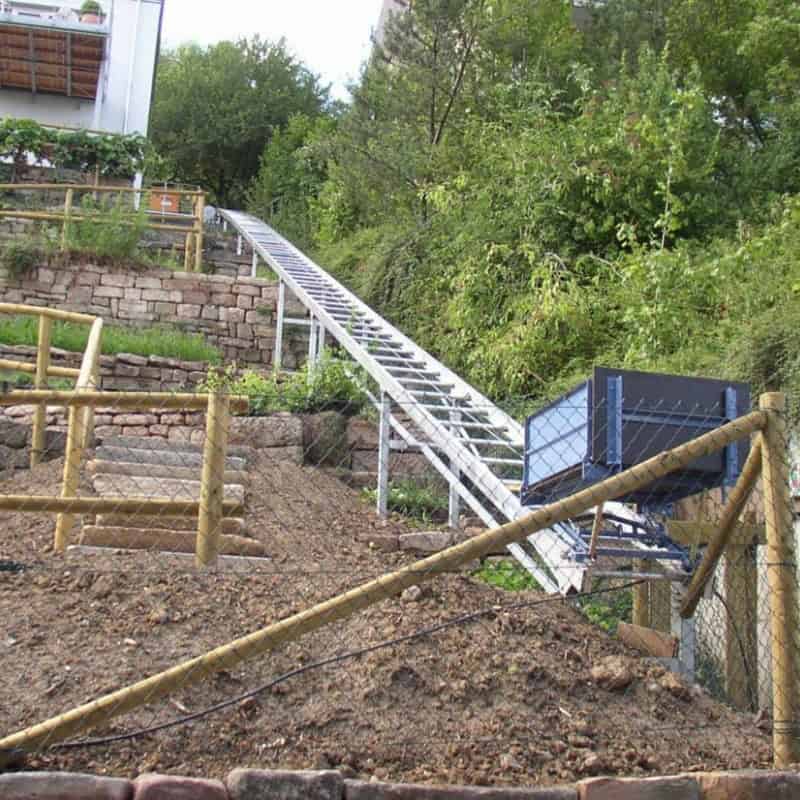
Ladder lift hire has become an essential solution for Sydney builders, trades, renovators and even homeowners moving heavy materials between floors. Whether it’s roofing tiles, building supplies, furniture or renovation debris, ladder lifts offer an efficient and safe way to move items vertically without excessive manual labour.
But with this convenience comes risk: many Sydney customers unknowingly make mistakes during the hire process, leading to delays, extra costs, or even safety hazards on site.
This guide outlines the most common mistakes people make when hiring a ladder lift in Sydney, how to avoid them, and what to check before booking your equipment.
For tailored assistance and industry-specialist support, many customers turn to professional ladder lift hire solutions in Sydney to ensure safe, efficient and compliant lifting.
Mistake 1: Choosing the Wrong Ladder Lift for the Job
Not all ladder lifts are the same. Sydney projects vary widely — from residential renovations in the Inner West to commercial fit-outs in the CBD — and each project requires the right type of lift.
Why This Mistake Happens
People often select a ladder lift based solely on price, without considering:
- Height requirements
- Material weight
- Material size
- Angle of installation
- Whether the lift will be used indoors or outdoors
How to Avoid It
- Measure the distance from ground level to the drop-off point
- Confirm the weight and size of materials
- Consider site space, roof pitch and access limits
- Speak with an expert before booking
To compare equipment options matched to your project needs, explore and discover reliable ladder lift options and select the right configuration with confidence.
Mistake 2: Underestimating Weight Limits and Load Capacity
Sydney renovation and construction materials aren’t always lightweight. Roofing tiles, timber packs, bathroom modules, solar panels and outdoor furniture often exceed what small ladder lifts can safely handle.
Why This Mistake Happens
Customers assume all ladder lifts have similar load ratings — but load limits vary widely depending on the system.
Risks of Overloading
- Motor strain and overheating
- Belt or track failure
- Sudden drop risks
- Voided hire insurance
- Damaged materials
- Serious injury or property damage
How to Avoid It
- Check the weight of your materials before booking
- Ask for the manufacturer’s rated load capacity
- Never push loads “close enough” to the limit
- Use a larger ladder lift for heavy construction items
Mistake 3: Ignoring NSW Safety Requirements
One of the biggest issues seen in Sydney is improper setup or unsafe operation. SafeWork NSW provides strict guidelines around manual handling, lifting operations and safe material movement. You can review their guidance via their manual tasks and safety information.
Common Safety Oversights
- Incorrect ladder angle
- Setting up on unstable ground
- Not securing the base
- Electric units used near water
- Loose materials are placed on the cradle
- Lack of exclusion zones
How to Avoid It
- Always follow SafeWork NSW regulations
- Keep the ladder lift away from power lines
- Set up on stable, level ground
- Secure the upper support on the building structure
- Never exceed rated weight limits
- Keep your hands clear of moving parts
Mistake 4: Failing to Measure Access and Site Constraints
Many Sydney worksites — especially terrace homes, duplexes, small backyards and narrow laneways — have access challenges. Not all ladder lifts fit safely onto every property.
Why This Mistake Happens
People often assume a ladder lift will “fit anywhere,” only to find:
- The access route is too tight
- The backyard has insufficient space
- The angle cannot be safely set
- The ground surface is uneven
- Materials cannot be fed into the cradle efficiently
How to Avoid It
- Inspect the site before booking
- Measure clearances
- Check height restrictions
- Ensure the work area is stable and unobstructed
- Provide photos to your hire provider for expert assessment
Mistake 5: Hiring a Ladder Lift Without Considering Power Supply
Electric ladder lifts require consistent, safe electrical access — which isn’t always available on every Sydney jobsite.
Common Oversights
- No available power outlet on location
- Using long extension cords that reduce power output
- Overloading circuits
- Operating in wet conditions
- Not checking voltage compatibility
How to Avoid It
- Confirm if the worksite has safe electrical access
- Avoid using untested extension leads
- Use battery-powered alternative lifts when necessary
- Keep electrical components dry and protected
Mistake 6: Incorrect Ladder Lift Placement and Setup
Incorrect setup is a leading cause of operational issues and safety hazards.
Common Setup Errors
- Incorrect angle (too steep or too shallow)
- Placing heavy loads at the start of the run
- Blocked loading or unloading zones
- Placing the lift where overhead obstructions exist
- Not bracing or securing the top section properly
How to Avoid It
- Follow the manufacturer’s setup instructions
- Keep at least a 1–2 metre exclusion zone
- Perform a test run with a light load
- Ensure both base and upper sections are stabilised
- Remove obstacles such as tree branches or roof projections
Mistake 7: Not Training Workers Before Use
Ladder lifts are simple to operate, but training is still essential — especially for high-volume construction and renovation projects.
Why Training Matters
- Prevents misuse
- Reduces injury risk
- Ensures proper loading techniques
- Helps avoid equipment damage
- Improves workflow speed
How to Avoid It
- Provide a short demonstration for new operators
- Maintain clear communication between the loader and the receiver
- Ensure only trained personnel operate the lift
Mistake 8: Poor Planning for Materials and Workflow
Even with the right ladder lift, poor planning can reduce efficiency.
Common Workflow Problems
- Materials not staged correctly
- Workers waiting for loads
- Congested work areas
- Incorrect lifting order
- Weather-related delays are not considered
How to Avoid It
- Pre-stage materials before starting
- Assign roles clearly
- Plan load sequences
- Monitor wind and weather conditions
- Maintain consistent communication
Mistake 9: Forgetting About Return Conditions and Hire Terms
Many customers are surprised by additional charges because they didn’t review the hire terms.
Common Oversights
- Not cleaning equipment after use
- Returning with damage caused by incorrect loading
- Hiring longer than necessary
- Not reporting issues immediately
How to Avoid It
- Review hiring conditions before signing
- Keep equipment clean and dry
- Photograph pre-existing marks or wear
- Return equipment on time
- Report faults as soon as they occur
Failing to follow hiring conditions often leads to unnecessary costs, which are entirely avoidable.
How Professional Hire Services Help Prevent These Mistakes
Hiring from an experienced and specialised Sydney supplier greatly reduces the risk of errors. Expert guidance ensures you receive the right equipment and understand how to use it safely and effectively.
For end-to-end support and reliable hire options, consider comprehensive material lifting services available to ensure your project runs safely and efficiently.
Conclusion: Avoiding Mistakes Ensures a Safe and Efficient Hire Experience
Ladder lift hire offers incredible benefits for Sydney homeowners, builders and trades — but only when used correctly. By avoiding common mistakes such as incorrect setup, poor load planning, choosing the wrong equipment, or ignoring safety requirements, you can ensure efficient material lifting and a safer work environment.
Preparation, professional advice and proper training are key to preventing delays, equipment issues and potential injuries. When in doubt, always rely on Sydney-based specialists offering professional ladder lift hire solutions in Sydney to guide you through the entire process.