
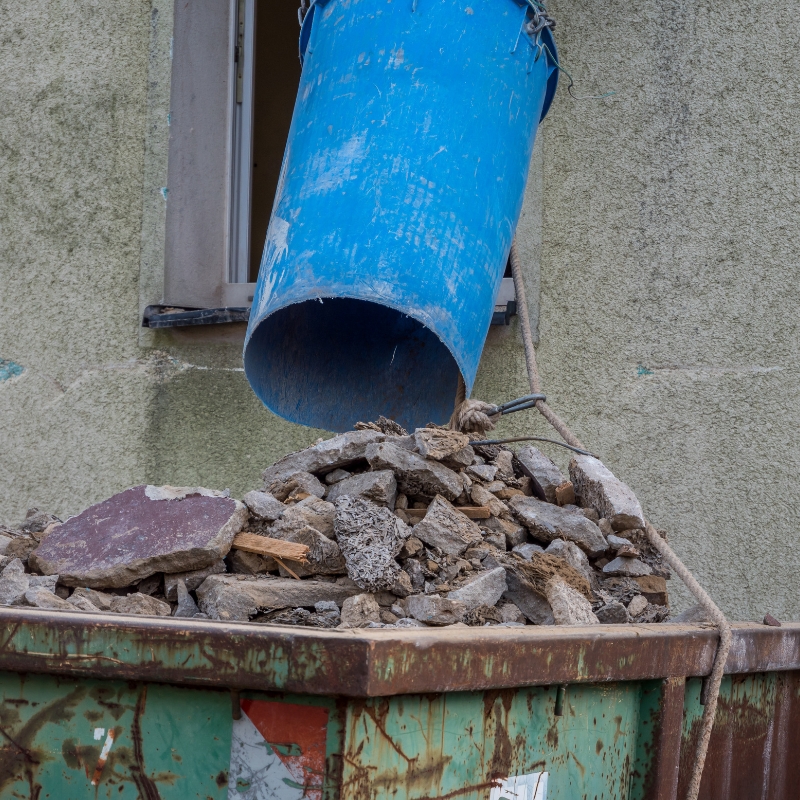
Moving construction debris or renovation waste down several floors can burn hours, fatigue crews, and turn worksites into WHS headaches. From overflowing lift lobbies to skip-bin bottlenecks, the vertical distance between each level and the ground quickly becomes the enemy of tidy, efficient projects. One simple mechanical aid can change the picture: the humble rubbish chute. Whether you are planning a six-pack townhouse build or a 40-storey commercial refurbishment, adding a temporary chute to the mix often pays for itself in lost labour time alone. Below, we unpack how modern chute systems solve the unique waste challenges of tall buildings, the mistakes that slow them down, and the quick checks that tell you whether a chute is right for your site. If you already know you need a system, you can explore flexible rubbish chute hire options that suit fast-moving Australian projects.
The Unique Waste Challenges of Multi-Storey Buildings
High-rise construction and renovation sites generate the same mix of offcuts, packaging, and demolition debris as single-level jobs, yet the logistics are worlds apart. Getting waste to ground level means:
• Multiple vertical trips. Labourers spend valuable time loading lifts or walking stairs rather than installing, fastening, or finishing.
• Shared access conflicts. Crews moving materials up fight for lift or crane time with those trying to move rubbish down.
• Increased manual handling risk. Carrying heavy or awkward debris over stairs raises the chance of strains, slips, and dropped materials.
• Tight CBD footprints. Metropolitan sites rarely have the luxury of large skip bins on every floor. Often, a single street-level bin must cope with all debris.
• Noise and dust complaints. Dragging rubble down hallways and into lifts can trigger building-management or neighbour disputes, especially in occupied towers.
When timelines tighten and floorplate congestion grows, an integrated waste pathway becomes essential. Rubbish chutes give site managers a reliable gravity-powered conveyor that pushes the problem straight to the bin below.
What Is a Rubbish Chute and How Does It Work?
A construction rubbish chute is a series of interlocking, tapered plastic or steel sections that create a continuous tube from an upper opening to a safe discharge point at ground or skip level. Once secured to scaffolding or a building facade:
- A hinged gate or hopper on each selected floor lets workers drop debris directly into the chute.
- Gravity accelerates the waste downward in a controlled path.
- Liner flaps and gentle curves reduce friction and noise while preventing blockages.
- At the base, a frame or funnel directs rubbish into a skip, hook-lift bin, or enclosed containment area.
Because every section is pinned or chained to the next and anchored to a solid structure, the load transfers into the building rather than being free-hanging. Installation typically takes a few hours for a 15-metre run, and extra sections can be clipped on as construction climbs.
Key Benefits of Using Rubbish Chutes in High-Rise Waste Plans
1. Faster Waste Removal
Labourers spend seconds tipping debris in, not minutes queuing for lifts. Over a full day, this can reclaim hours of productive build time.
2. Reduced Manual Handling Injuries
Carrying fewer heavy bags or bins downstairs cuts back on strain injuries and accidental drops on stairs or scaffold decks.
3. Cleaner and Safer Floors
Debris moves off active work areas immediately, lowering trip hazards and fire‐load accumulation that can breach WHS housekeeping rules.
4. Fewer Lift Breakdowns and Call-Out Costs
Less rubble and dust inside service lifts means fewer jammed doors and maintenance call-outs, a common hidden cost on retro-fit jobs.
5. Noise and Dust Control
Well-lined chutes with fitted gates contain airborne dust and reduce noisy clattering compared with tossing materials down internal shafts or open stairwells.
6. Easier Compliance with Site Waste-Management Plans
Direct transfer into designated skips supports accurate material tracking and segregation, simplifying recycling reporting required by many council and green-star frameworks.
Comparing Waste-Removal Options for Tall Buildings
Below is a snapshot of the three most common methods and where each fits.
| Method | Typical Use-Case | Efficiency | WHS Risk | Footprint Required | Ideal For |
| Manual lift or stair carry | Small repairs, minor strip-outs | Low | High (strains, slips) | Nil extra space | Jobs under 2 storeys or with minimal debris |
| Crane or goods lift to skip | Large demolition stages | Medium-High (depends on scheduling) | Moderate (crane loads, lift jams) | Large skip zone plus crane or lift time | Steel or concrete demolition, bulky offcuts |
| Rubbish chute to ground skip | Ongoing construction or fit-out | High | Low (gravity flow, enclosed) | Skip or bin footprint only | Multi-storey refurbishments, tight CBD sites |
While cranes excel at bulk, heavy elements, and manual handling suits small touch-ups, chutes shine when debris is steady and floors are active daily.
Common Mistakes to Avoid When Using Temporary Chutes
• Neglecting liner wear. Skipping inspections lets sharp rubble chew through plastic, causing tears and spills.
• Overloading the gate. Throwing in large framed sections can wedge in the tube and create a full-length blockage. Break down bulky items first.
• Ignoring anchor spacing. Improper bracing leads to sway or section separation in high winds.
• Poor skip positioning. An off-centre bin lets rubbish bounce past the opening, scattering debris. Align chutes vertically above bin centres.
• Mixing waste streams. Tossing solvent tins or glass into general rubble can contaminate recycling loads and incur disposal surcharges.
Practical Maintenance and Safety Tips to Keep Debris Flowing
Routine care ensures the chute works for the full project duration.
- Daily visual check for cracks, loose pins, or missing chains.
- Clear small obstructions before shift change, not after something jams two levels lower.
- Schedule mid-level clean-outs on multi-week projects. Opening a mid-section hatch lets crews remove fine dust that can cake to walls.
- Lock hopper gates after hours to stop unauthorised use.
- Fit dust socks or water mist systems where local council or client dust limits apply.
For a step-by-step set-up guide and anchor-spacing diagram, see our detailed rubbish chute installation checklist.
Regulatory Considerations and Environmental Impact
Australian WHS legislation requires safe waste-handling routes that minimise manual effort and prevent falling objects. Section 64 of the Model Work Health and Safety Regulations focuses on securing falling materials, making enclosed chutes a preferred control over open drop zones. Environmental impact also matters: according to the Department of Climate Change, Energy, the Environment and Water, effective on-site separation boosts national recycling rates and reduces landfill pressure. Because chutes direct specific waste streams into colour-coded skips, they support compliance with these national waste-management principles and many local council development conditions.
Deciding Whether Your Project Needs a Chute: Quick Checklist
Ask the following before ordering equipment:
• Is debris generated on more than two levels?
• Will work continue for longer than one week?
• Are lifts or cranes heavily booked for material deliveries?
• Is manual carrying distance greater than 20 metres or two flights of stairs?
• Do client or council rules limit dust and noise?
• Is the ground-level footprint too small for multiple skips?
If you answer “yes” to two or more, a chute is likely to repay its hire cost in saved labour, safer workflows, and improved compliance.
Frequently Asked Questions
1. How long does it take to install a construction rubbish chute?
Most 10-to-15-metre runs take between two and four hours for an experienced crew, including anchoring, hopper fitting, and bin alignment. Taller or more complex facade attachments may need additional bracing time.
2. Can a rubbish chute handle wet concrete or plaster?
Wet, sticky mixes often cling to chute walls and set, causing blockages. It is safer to let concrete cure in manageable chunks before disposal, or use skip bins for wet slurry.
3. What is the maximum height for a temporary chute?
Section manufacturers typically rate systems up to 40 or 50 metres, provided anchor intervals and wind loads follow their manual. Always check the product data sheet and engineer requirements for high-rise applications.
4. Do I need council approval to install a chute on the facade?
If the chute extends over public footpaths or airspace, you will usually need a permit and possibly out-of-hours installation windows. Check local council guidelines early in your planning.
5. How often should I inspect a chute during a project?
Carry out quick visual checks daily and full connection inspections weekly. After severe weather, re-inspect anchor points and dust socks before resuming use.
Final Thoughts
Rubbish chutes are not just handy tubes; they are proven productivity tools that let gravity handle the grunt work of debris removal. By eliminating long carry routes, keeping floors clear, and funnelling waste directly into skips, a well-planned chute eases both WHS and environmental compliance on multi-storey builds. Evaluate your site layout, waste volume, and schedule pressure early to see whether a chute belongs in your next project plan. When timelines, safety, and neighbour relations matter, letting debris fall the smart way is often the simplest win.