
How Does an Industrial Flat Belt Conveyor Boost Efficiency?
An industrial flat belt conveyor boosts efficiency by transporting various load types smoothly across production lines with minimal handling or stoppages. Its streamlined design allows consistent motion, making it ideal for industries where timing, space, and reliability matter. These systems provide excellent flexibility, especially in sectors that demand both precision and pace. This article explores how flat belt conveyors help manufacturers optimise processes, reduce downtime, and maintain steady workflow across all stages of production.
What challenges do manufacturers face with material flow?
Manufacturers often face challenges with material flow due to inconsistent load handling, process bottlenecks, and layout constraints. These issues interrupt production schedules, increase labour demands, and contribute to unnecessary wear on equipment. Here are the key pain points manufacturers encounter with material movement:
- Load variation complicates system design, as lightweight and heavyweight items can’t share identical transfer solutions.
- Tight plant layouts reduce efficiency, especially when equipment isn’t configured for optimised throughput.
- Manual handling introduces delays and risks, including workplace injuries and inconsistent timing.
- Unplanned stoppages lead to costly idle time, particularly when material backups occur mid-process.
Consistent, well-paced material flow is crucial. Without it, operations become sluggish, and costs rise. Systems such as custom conveyor solutions for manufacturers are designed specifically to address these inefficiencies and support seamless material handling.
Why do traditional conveyor systems struggle in heavy-duty manufacturing?
Traditional conveyors often fall short in heavy-duty manufacturing because they aren’t built to handle constant use or varying material types. While they may work well for standard applications, they struggle with demand changes and unconventional loads. Here are the reasons they underperform in tough settings:
- Standard belts tear or stretch under pressure, leading to breakdowns during peak production.
- Roller-based systems jam when handling debris or irregular loads, causing unexpected interruptions.
- Basic motors lack torque control, failing to support variable speed demands or stop-start precision.
- Wear and tear occur faster, requiring more frequent repairs and increasing operational expenses.
This is why operations in high-demand sectors often require more robust options like industrial conveyors for warehouse operations, which are tailored to navigate layout constraints, load variance, and high-volume processing.
How do downtime and maintenance issues affect conveyor productivity?
Downtime and maintenance issues significantly impact conveyor productivity by interrupting workflows, delaying deadlines, and creating a backlog of tasks. Each halt in movement can have a domino effect on the entire production line. Here are the common productivity drains linked to maintenance issues:
- Reactive maintenance is costlier than proactive care, yet many systems still rely on breakdown-based servicing.
- Inaccessible parts delay repairs, especially in older systems not designed for quick part swaps.
- Improper lubrication shortens bearing life, causing component degradation and premature failure.
- Electrical faults often go undiagnosed, leading to recurring motor issues and sensor malfunctions.
A system designed with maintainability in mind helps mitigate these challenges. Flat belt conveyor systems benefit from fewer moving parts and simpler maintenance procedures, keeping operations running smoothly.
What makes an industrial flat belt conveyor ideal for manufacturing efficiency?
An industrial flat belt conveyor is ideal for manufacturing efficiency because it provides smooth, continuous movement for various load types with minimal resistance. Its versatility and low-maintenance nature make it well-suited to high-output environments. Here are the benefits of using flat belt conveyors:
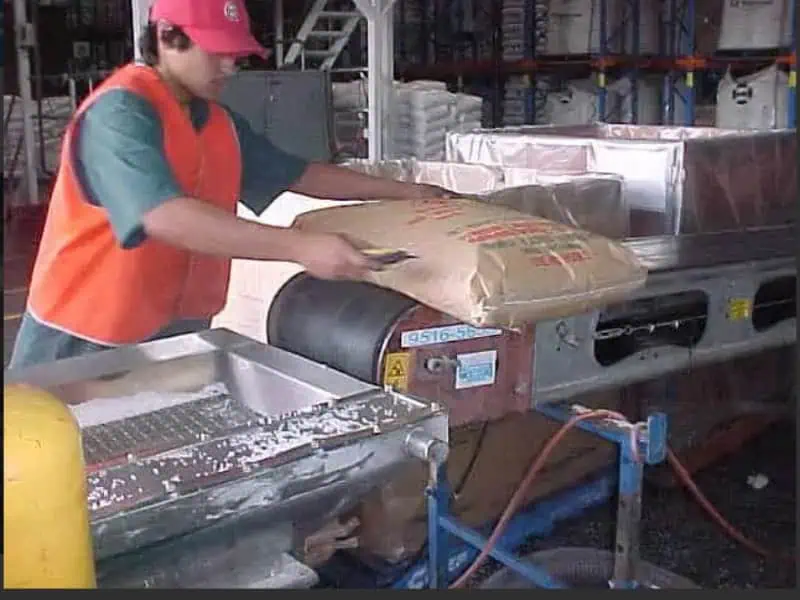
- Belts offer smooth and quiet operation, reducing vibration and noise across busy production floors.
- Consistent movement supports takt time by maintaining product flow between cells or stations.
- Flat designs fit tight spaces and can be integrated with incline or decline setups for vertical movement.
- Reduced slippage ensures higher product quality with minimal handling damage.
By integrating systems like these, manufacturers unlock higher throughput and more predictable timelines—freeing up teams to focus on quality and innovation. Compared to other systems, common roller conveyor uses often lack the adaptability and gentle handling that flat belt conveyors deliver.
How can modern conveyor designs improve operational flow?
Modern conveyor designs improve operational flow by streamlining transitions between workstations, reducing handling time, and supporting real-time adjustments for variable workloads. Advanced systems focus on precision and flexibility rather than fixed paths or speeds. Here are the standout innovations in modern design:
- Modular systems allow quick reconfiguration, essential for changing product lines or seasonal demand shifts.
- Sensor integration detects jams or overloads instantly, reducing downtime and repair intervals.
- Smart drives adapt speed dynamically, maximising efficiency across high- and low-volume zones.
- Energy-efficient motors cut costs, especially in 24/7 operations where power savings add up quickly.
| Conveyor Feature | Traditional Systems | Modern Flat Belt Conveyor |
| Load capacity | Moderate | Versatile and consistent |
| Maintenance frequency | Frequent | Low with scheduled checks |
| System flexibility | Fixed configuration | Modular and adaptive |
| Safety enhancements | Minimal | Integrated smart sensors |
Design updates don’t just modernise production—they reduce strain on workers and deliver more reliable throughput, day in and day out. These innovations support long-term performance and reinforce the case for using flat belt conveyors in dynamic industrial environments.
What safety standards guide mechanical transfer systems?
Safety standards for mechanical transfer systems are guided by national regulations and engineering best practices that aim to protect operators and ensure system integrity. These frameworks help mitigate the risk of accidents and improve machine longevity. Here are the core safety principles behind mechanical conveyors:
- Australian Standard AS 1755 covers conveyor safety, including emergency stops and guarding mechanisms.
- Regular risk assessments are mandatory, focusing on pinch points and entrapment zones.
- Lockout/tagout protocols are essential, especially during maintenance or component replacement.
- Training and signage are critical, making sure operators know where hazards lie and how to respond.
The goal of applying robust safety measures is not only to comply with the law but also to extend machine life and improve staff wellbeing. Understanding risk points within flat belt conveyor systems ensures safer operations across the board.
Final thoughts on industrial conveyors in manufacturing
Industrial flat belt conveyors in manufacturing deliver clear benefits by increasing efficiency, reducing human error, and adapting to complex workflows. With the right configuration, these systems support long-term reliability and throughput. If you’re reviewing your current setup or planning upgrades, it might be time to get in touch with Conveying & Hoisting Solutions to explore options that align with your facility’s demands.