Choosing the right construction hoist is a critical decision for any building project across Sydney and NSW. From residential developments to large-scale commercial builds, the hoist you select directly affects safety, productivity, site efficiency, and regulatory compliance.
On Sydney construction sites, vertical access is rarely straightforward. Tight footprints, increasing building heights, and strict safety obligations mean builders must carefully assess their hoisting requirements before work begins. Understanding how different hoist systems operate — and which is best suited to your project — helps prevent delays, reduce risk, and improve overall workflow.
This guide explains the most commonly used construction hoists across Sydney, how they differ, and how to choose the right solution for your site.
What Is a Construction Hoist?
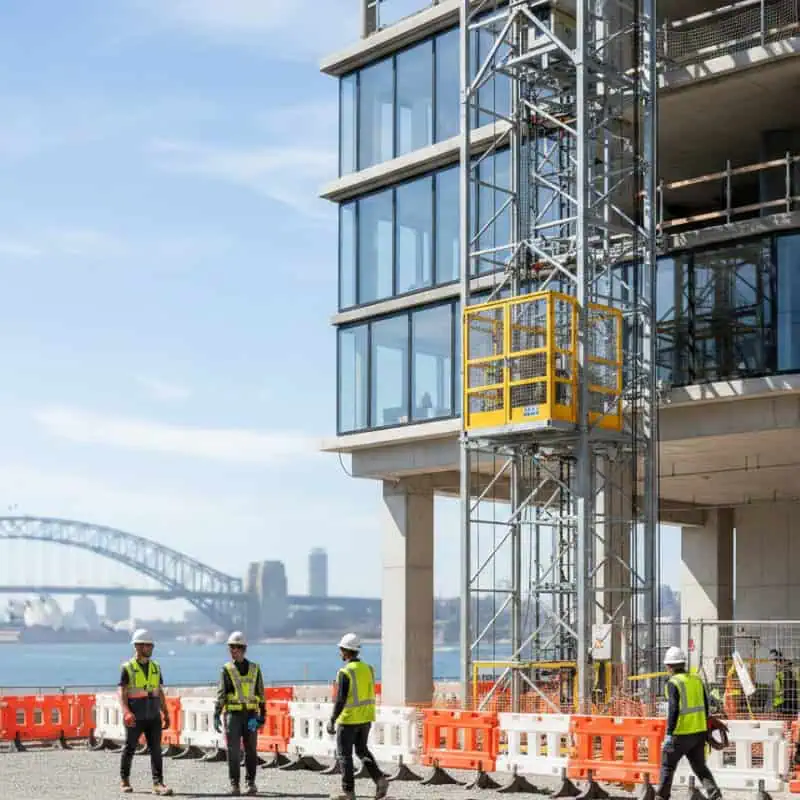
A construction hoist is a temporary vertical lifting system installed on a building site to transport materials, equipment, and, in some cases, workers between different levels of a structure during construction.
Unlike permanent lifts, these systems are purpose-built for the construction phase and removed once the project is complete. They are engineered to operate in demanding environments while meeting Australian safety and performance standards.
Typical uses include:
• Lifting building materials to upper floors
• Transporting tools and equipment efficiently
• Improving site productivity on multi-storey projects
• Reducing manual handling and site congestion
Why Hoist Selection Matters on Sydney Building Sites
Sydney’s construction environment presents unique challenges. Urban density, restricted access, and height limitations all influence how vertical transport systems should be planned.
Choosing the wrong hoist can result in:
• Slower material movement
• Increased safety risks
• Non-compliance with NSW regulations
• Costly project delays
Selecting the correct hoist type early ensures your site operates safely and efficiently from start to finish.
Main Types of Construction Hoists Used in Sydney
Understanding the different systems available is essential when planning vertical access on a building site.
Material Hoists
Material hoists are designed specifically to lift building materials rather than people. They are commonly used across Sydney for their reliability and efficiency when moving heavy loads.
They are typically used to transport:
• Bricks, blocks, and steel components
• Pallets of plasterboard or cladding
• Tools and construction equipment
Material hoists are ideal for projects that require frequent lifting of supplies without the need to carry workers. Many builders rely on material hoists for construction projects to reduce reliance on cranes and improve site logistics.
Best suited for:
• Residential builds
• Low to mid-rise developments
• Projects focused on efficient material handling
Passenger and Material Hoists
Passenger and material hoists are designed to transport both workers and materials safely. These systems are common on commercial and high-rise developments throughout Sydney.
Key benefits include:
• Safe vertical access for workers
• Reduced fatigue from stair climbing
• Improved productivity on taller buildings
• Controlled and secure transport
These hoists are enclosed and built to meet strict safety requirements, making them suitable for complex, long-term projects.
Best suited for:
• Commercial developments
• High-rise residential projects
• Multi-storey construction sites
Rack and Pinion Hoists
Rack and pinion hoists operate using a motor-driven gear system that climbs a fixed mast. This design provides stable and precise vertical movement, even at significant heights.
Why they’re widely used in Sydney:
• Excellent stability in high-rise conditions
• Reliable operation in windy environments
• Accurate stopping at multiple levels
• Strong safety performance
These systems are often chosen for large-scale developments where height and reliability are critical.
Builders’ Hoists
Builders’ hoists are compact lifting systems typically used on smaller sites. While they are not designed to carry passengers, they provide an efficient solution for moving materials vertically.
Common applications include:
• Townhouse developments
• Renovations and extensions
• Short-term construction works
Their smaller footprint makes them ideal for inner-city Sydney sites with limited space.
Understanding Construction Hoist Options for Your Project
Choosing the right hoist requires more than just selecting a system with enough lifting capacity. Builders must assess the overall project requirements, site conditions, and regulatory obligations.
A detailed breakdown of understanding Construction Hoist Options helps clarify how different systems are matched to specific building types and site conditions.
Key Factors to Consider When Choosing a Hoist
Building Height
The height of your structure plays a major role in hoist selection. Taller buildings often require:
• Passenger-capable systems
• Rack and pinion technology
• Enhanced stability and safety features
Lower-rise projects may only need a material-focused solution.
Load Capacity and Frequency
Consider:
• Maximum weight of materials
• Size and shape of loads
• Number of lifts required per day
Underestimating load requirements can slow progress and increase risk.
Site Layout and Access
Sydney sites often operate in tight spaces. Planning must account for:
• Available space for mast installation
• Interaction with cranes and other equipment
• Neighbouring properties and access restrictions
A well-planned hoist integrates smoothly into overall site operations.
Safety and NSW Compliance
All hoisting equipment used in NSW must comply with workplace health and safety legislation. Builders should follow SafeWork NSW construction safety guidance to understand obligations relating to plant, equipment, and construction site safety.
Compliance considerations include:
• Regular inspections and maintenance
• Operator training and competency
• Emergency stop systems
• Documented risk assessments
Meeting these requirements is essential for legal compliance and site safety.
Common Mistakes When Selecting a Construction Hoist
Avoiding common errors can save time and money.
Mistakes often include:
• Choosing based on price alone
• Failing to plan for later construction stages
• Ignoring compliance requirements
• Overlooking installation logistics
Engaging experienced suppliers early helps prevent these issues.
Why Local Experience Matters
Working with providers who understand Sydney construction conditions makes a significant difference. Local expertise helps with:
• Navigating site constraints
• Meeting NSW compliance standards
• Efficient installation planning
• Ongoing servicing and support
Builders benefit from working with companies offering construction hoist solutions in Sydney that understand local requirements and challenges.
Frequently Asked Questions
What hoist type is best for high-rise buildings?
High-rise projects typically require passenger and material hoists or rack and pinion systems due to their stability and safety features.
Can material hoists carry people?
No. Material hoists are designed only for lifting materials. Passenger transport requires a system specifically rated for people.
Are hoists regulated in NSW?
Yes. All hoisting equipment must comply with NSW workplace safety regulations, including inspection and operator requirements.
When should a hoist be installed?
Hoist installation should be planned early so vertical access is available when upper-level construction begins.
Final Thoughts
Selecting the right hoist is a key part of successful project planning. By understanding the different systems available and assessing your site’s specific needs, you can improve safety, efficiency, and compliance across your build.
With the right planning and experienced support, Sydney construction projects can benefit from smoother operations and safer vertical access from start to finish.