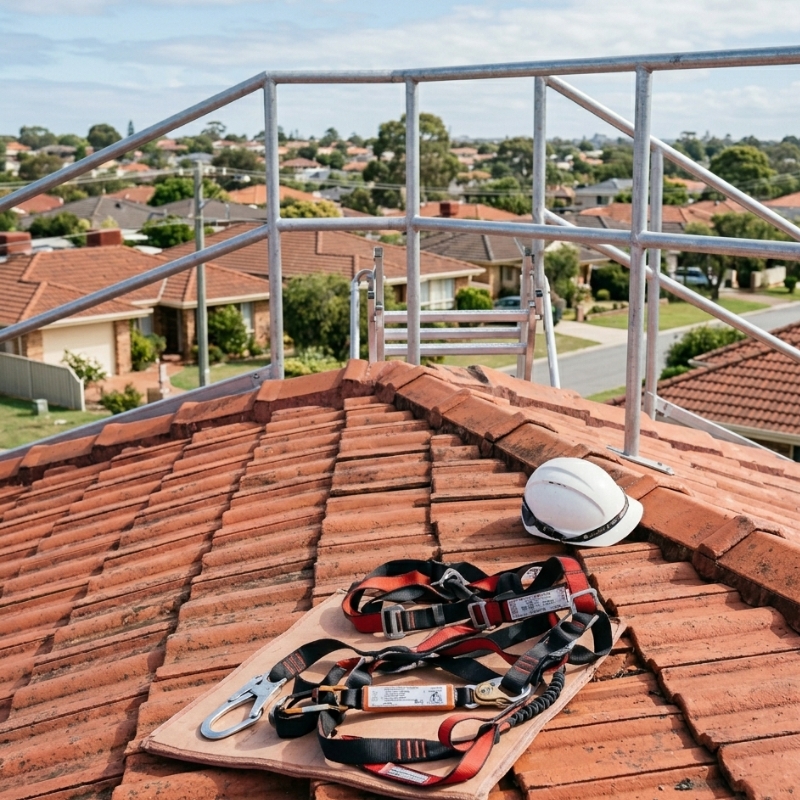
Falling off a roof’s edge—still a top injury source in Australia’s construction industry. So, height safety rules? They just keep changing. The 2026 updates to AS/NZS 1891 (all about industrial fall-arrest systems) and some tweaks to AS 1657, which deals with fixed platforms, ladders, and guardrails, are now set. These new rules bring more paperwork and safety steps for anyone starting roof work, whether you’re just cleaning gutters or putting up solar panels. Got your own gear? Maybe you hire a roofing harness kit for quick jobs? Either way, you’ll need to know these changes to dodge fines—and more importantly, prevent accidents. Here’s why the rules changed, what’s new, and how you can stay safe (and legal) on the roof in 2026 and beyond.
Why Do Australia’s Standards Keep Changing?
Think of Australian Standards like living documents—they get updates every few years or when there’s a big enough reason. Between 2020 and 2024, Safe Work Australia noticed a rise in fall-related claims from quick jobs like residential roofing. But why the increase?
- More solar panels on houses.
- More emergency roof repairs due to crazy weather.
- The DIY boom—probably COVID’s fault.
When these trends pop up, regulators round up the experts—engineers, safety pros, industry groups, union folks—to hash out updates. The 2026 version focuses on:
- Clearing up what counts as “maintenance” versus construction work.
- Making temporary edge protection rules clearer.
- Tightening up how often you need to check and recertify your main safety gear.
The aim? Make sure the rules fit real-world work conditions and are easy to enforce.
Quick Look at the 2026 Changes for AS/NZS 1891 & AS 1657
Here’s a quick peek at the changes that might alter your everyday roof tasks. Just a glance—be sure to review the full standard or talk with a height-safety expert to stay compliant.
| Clause Change | Pre-2026 Requirement | 2026 Update | Impact on Roof Work |
| AS/NZS 1891.4—Inspection interval | Harness & lanyard checked before use; formal inspection every 6 months | Now every 3 months for UV or dust-exposed gear | More third-party inspections; plan for downtime |
| AS/NZS 1891.1—Shock-absorber rating | Minimum energy absorption 6 kN | Increased to 7.5 kN for one-person use | Older lanyards might not work; check labels |
| AS 1657—Temporary edge protection | Unclear for single-storey roofs | Requires guardrails above 2 m fall height or slopes >26° unless a harness is safer | Low-pitch roofs now need guardrails, not just PPE |
| AS/NZS 1891.2—Anchor load testing | Annual recertification | Six-monthly for metal roofs with hidden fixings | More engineer visits; plan site access |
| AS/NZS 1891.3—User competency | User needs to be “trained and competent” | Minimum 6-hour refresher every 2 years with assessment | Update training courses; keep files handy |
The biggest changes? The new inspection frequency and guardrail rules. Safe Work Australia warns that ignoring these could mean an improvement or prohibition notice, even for residential work.
Impact of the 2026 Updates on Typical Roof Jobs
Gutter Cleaning & Minor Flashing Repairs
These were often seen as “low-risk” because they typically happen on single-storey homes. But now, if you’re above 2 meters, edge protection is a must. If not, you need a full fall-arrest setup with anchors and lanyards rated to 7.5 kN.
Solar Panel Installation
Most solar installers already use harnesses, but the six-monthly anchor check will be a hassle for those working on metal roofs with hidden screws. Quotes might need tweaking for extra engineer visits.
Tile Replacement After Storm Damage
Haste makes waste—and mistakes. The 2026 standard clarifies: emergency repairs aren’t an exception. Keep compliant gear ready or rent a certified set.
Roof Inspections for Real Estate
For consultants hopping from roof to roof in Sydney, the two-year refresher means you’ll need proof of current competency. Fines are now issued per roofer, not just per company.
Choosing Fall Protection Under the New Rules
With tougher guardrail requirements, you might have to decide between rails and a personal fall-arrest system for many small jobs. Consider:
- Duration: Guardrails take time but allow freedom for all-day tasks.
- Roof Material: Tiled roofs can handle temporary rail brackets; metal roofs lean toward anchor points.
- Access Issues: Tight spaces might make rails tough—harnesses are your go-to if anchor points are available.
- Skill Level: Is your team up-to-date? If not, stick with options that require less skill, like guardrails.
DIY vs. Pro Setup: Watch Out for These
- Relying on Old Tags
A nine-month-old inspection tag? Nope. Check the tag date. - One Anchor Doesn’t Fit All
The new 7.5 kN rating might be too much for older anchors. Double-check your documents. - Skipping Toe-Boards
AS 1657 now demands toe-boards on sloped roofs to stop tools from slipping off. - Ignoring Surface Grit
Dust can wear down webbing; quarterly cleaning is advised. - Overlooking Training Records
That 2018 certification isn’t valid without recent refresher proof.
Quick Roof Job Compliance Checklist for 2026
Before climbing a roof, run through this checklist:
- Harness inspection tag dated within the last 3 months
- Anchor certification within 6 months (for hidden fixings on metal roofs)
- Guardrails in place if roof pitch >26° or fall height >2 m, unless another safer option is noted
- User training certificate refreshed in the past 2 years
- The weather is fine, but strong winds can nullify safety measures
- Fall-object controls (toe-boards or tethered tools) are set
- Rescue plan considers updated energy-absorber forces
Keep this in the site shed, or add it to your SWMS template.
Watching Over, Maintaining, and Inspecting in 2026
The 2026 standard insists on ongoing attention—forget about setting and forgetting.
Regular User Checks
Always visually inspect gear before using it. Watch for frayed stitching, sun damage, or rusted hardware.
Formal Inspections
Stick to inspections every 3 months. If outsourcing, hire a height-safety pro to make the rounds and update your records.
Anchors & Guardrails
Engineering reviews are now every six months for certain roofs. Digital certificates make audits easier—many rental outlets provide them automatically.
For a detailed state-by-state breakdown and inspector needs, see our height safety compliance checklist.
When to Upgrade or Replace Your Gear
Even if your harness looks good, new rules might mean you need new gear. Consider a swap if:
- Your energy-absorber rating is below 7.5 kN
- UV has worn down the stitching, especially in sunny areas like QLD or NT
- Salt-spray corrosion has damaged D-rings or carabiners on coastal sites
- Labels are unreadable—inspectors call that non-compliance
- The harness restricts movement, causing fatigue on large sheet roofs
Renting updated gear can fill the gap while you sort out a purchase.
FAQs
Do the 2026 changes affect homeowners cleaning their gutters?
Yes. WHS rules and Australian Standards apply to any fall risk over two meters. While authorities tend to focus on businesses, homeowners aren’t off the hook if something goes wrong.
Can I use my old lanyard with a new shock absorber?
Not guaranteed. The whole system—webbing, absorber, connectors—needs testing together. Mixing parts from different brands without documentation could violate AS/NZS 1891.1.
How often do roof anchors need testing with the 2026 update?
Now, every six months for metal roofs with hidden fixings. Others still require annual checks unless conditions demand more frequent testing.
Is guardrail installation mandatory on flat roofs now?
Not entirely. If the slope’s under 1°, either rails or a compliant fall-arrest system works. But flat roofs need edge protection when multiple workers are present, increasing risk.
My harness was inspected in December 2025—good for March 2026?
Only if the tag date is within three months. Anything older? You need a new inspection.
Final Thoughts
Australia’s 2026 height-safety standards ramp up inspections, guardrails, and training. They’re designed to match the realities of modern roof work, not just to pile on paperwork. By keeping up with more frequent checks, ensuring gear ratings meet new energy standards, and picking the safest setup for each job, you’ll protect your team and stay within legal bounds. If your current gear doesn’t stack up, or you need something temporarily, renting an updated harness kit can keep you compliant without a hefty purchase. Stay on top of things, stay informed, and, most importantly, stay safe.